
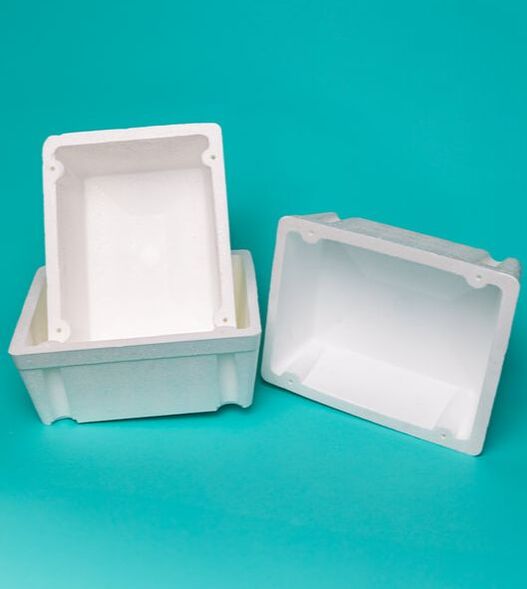
A product can be damaged without the carton looking severely crushed. Repeated vibration, movement inside the box, concentrated loads, and ordinary drops can all transfer energy to delicate surfaces and components. Custom molded EPS packaging is designed around the product so protection is placed where it is needed.
Control movement inside the carton
End caps, corners, trays, and inserts can locate a product and maintain clearance from the carton walls. Controlling movement reduces the chance that the product will strike the box or another packed component during handling.
Distribute loads through fitted geometry
A molded package can contact stronger areas of the product while avoiding fragile controls, finishes, or protrusions. Ribs, pads, pockets, and clearances help distribute loads instead of concentrating them at one vulnerable point.
Cushion impacts without excessive package weight
EPS combines low weight with useful rigidity and cushioning. A well-designed molded part can provide protection without filling the carton with unnecessary material. Product weight, drop conditions, foam density, thickness, and bearing area all influence the final design.
Create repeatable packing
Loose packing materials can be arranged differently from one shipment to another. A molded insert gives operators defined locations and orientations, helping make the packing process more consistent and easier to train.
Information that helps start a packaging project
- A drawing, CAD file, physical sample, or accurate product dimensions
- Product weight and identification of fragile or load-bearing areas
- Current carton dimensions and packing method, if one exists
- Expected annual volume and typical order quantities
- Known density, testing, drop, vibration, or environmental requirements
Custom tooling and production planning make the most sense when the application and expected volume are understood early. Clyde Foam can review the information you have and discuss practical next steps.